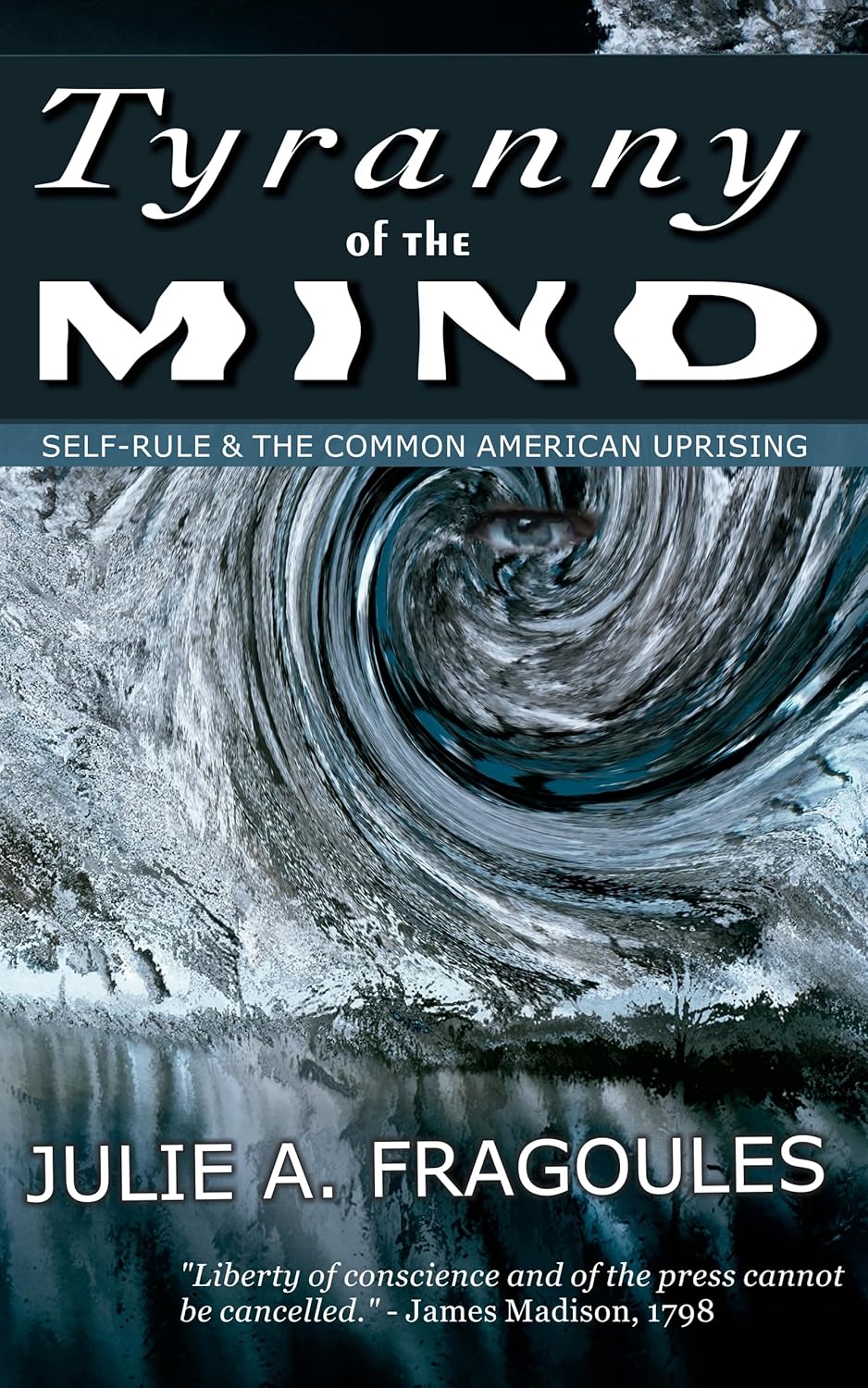
Julie A.
Fragoules’s Tyranny of the Mind: Self-Rule & The Common American
Uprising is a sweeping, heavily documented treatise arguing that the
United States is surrendering its founding ethos of individual liberty to a
new, secular authoritarianism. Interweaving her immigrant family’s story with
millennia of Western history, Fragoules traces how religious and state
tyrannies—from the Roman Inquisition to feudal Europe—were rejected by the
Enlightenment and America’s founders, who built a constitutional republic on
liberty of conscience and limited government. She contends that this legacy is
now under siege by a modern “progressive globalism” that functions like a state
religion, enforcing conformity through censorship, bureaucratic overreach, and
what she calls ideological “Tyranny of the Mind.”
The book discusses the
eternal struggle between self-rule and domination. Fragoules insists
that the true political spectrum is not left versus right, but liberty
versus tyranny, and that modern collectivism, climate ideology, and pandemic
mandates represent a dangerous leftward lurch into totalitarian control. She
rigorously underlines the founders’ original intent—citing extensive primary
sources from Jefferson, Madison, and Washington—to show that the
separation of church and state was meant to prevent any dogmatic establishment,
secular or sacred, from capturing civil power. She further argues
that today’s elites have replaced the divine right of kings with an
unelected “expert” class that fundamentally despises the common American’s
capacity for self-governance. This class manipulates language, institutions,
and even elections to consolidate control.
Julie A.
Fragoules’s voice is passionate and erudite, and the writing is layered
with historical block quotations and primary documents that give the book a
scholarly character. The book is timely, and it channels post-pandemic
anxieties about censorship, deep-state corruption, and populist uprising into
an urgent manifesto. Whether read as history or polemic, Tyranny of the
Mind arrives at a moment when debates over freedom, authority, and
national identity have reached fever pitch, making it a lightning rod for
Americans who believe the republic’s original promise is slipping away. You’ll
understand the manipulation, the control, and why the elite succeed in
controlling so much power while treating millions of Americans as gullible. It
is one of the best political commentaries about contemporary America that I have
read in ages.






 Mommys_Boy_6x9.jpg)





.jpg)























.jpg)



.jpg)



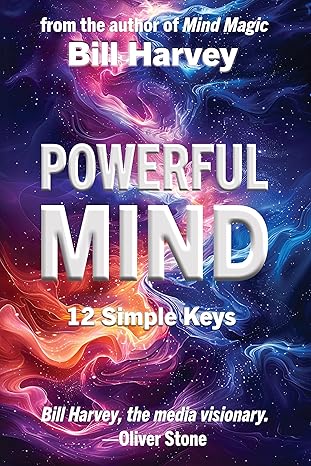



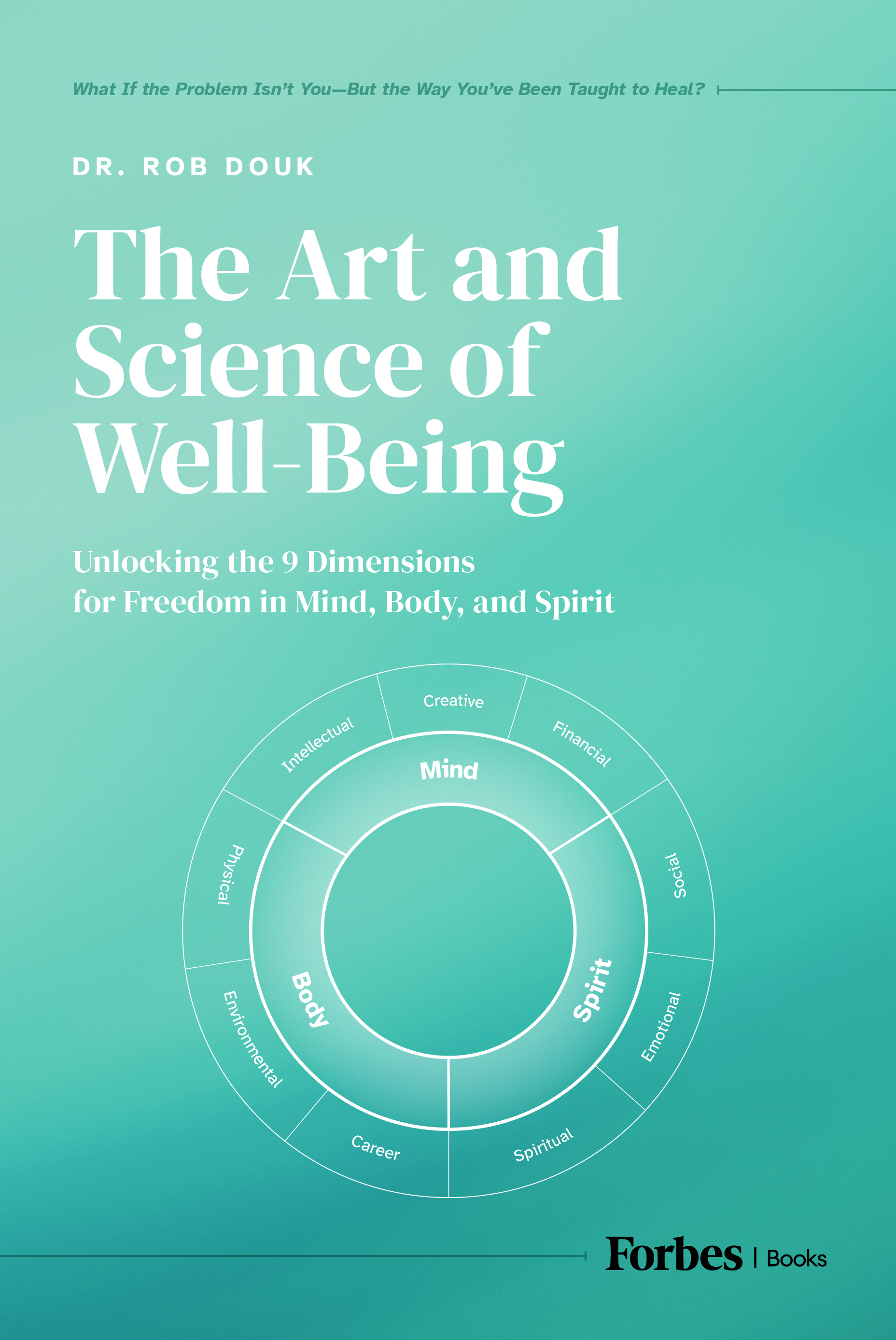
.jpg)
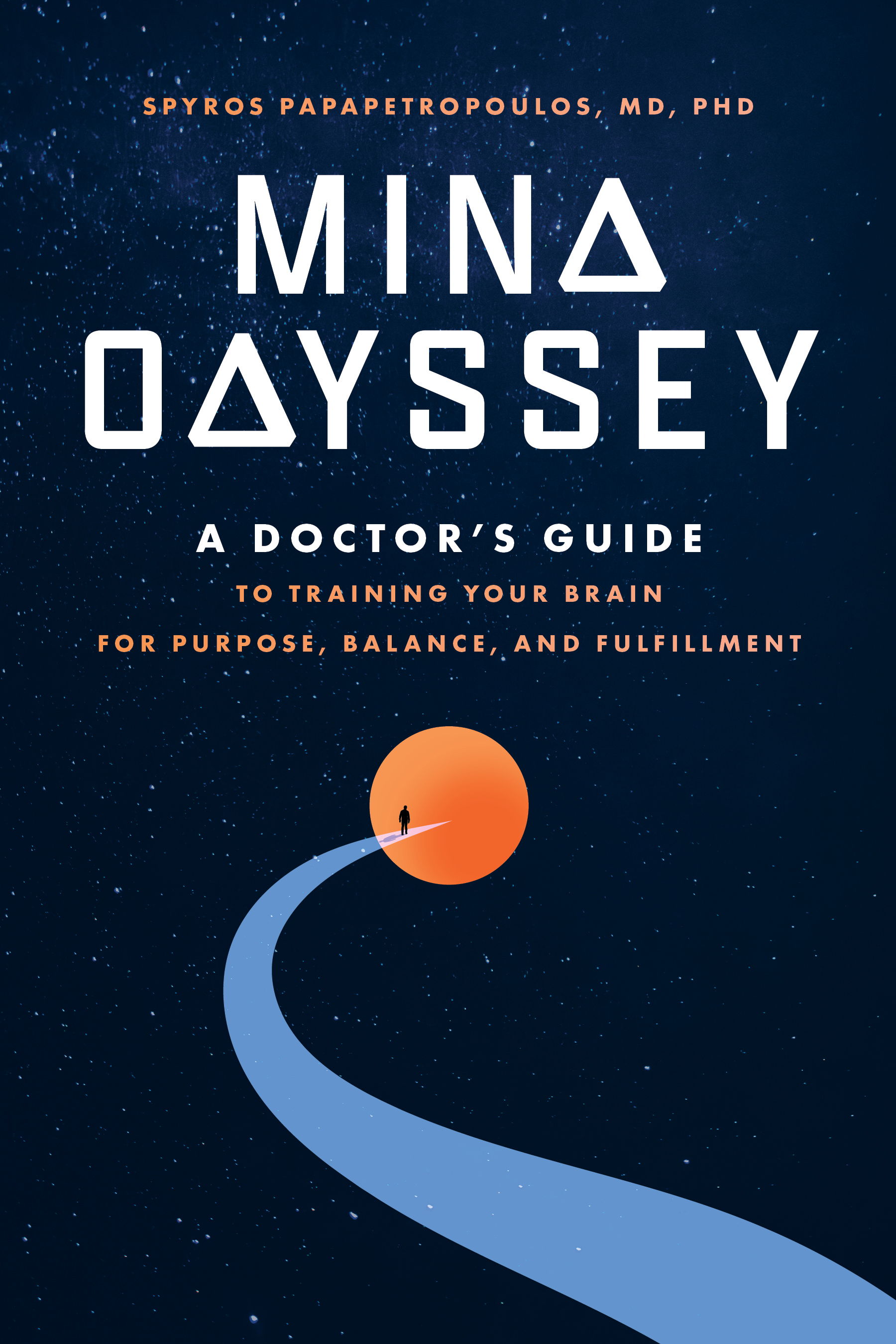
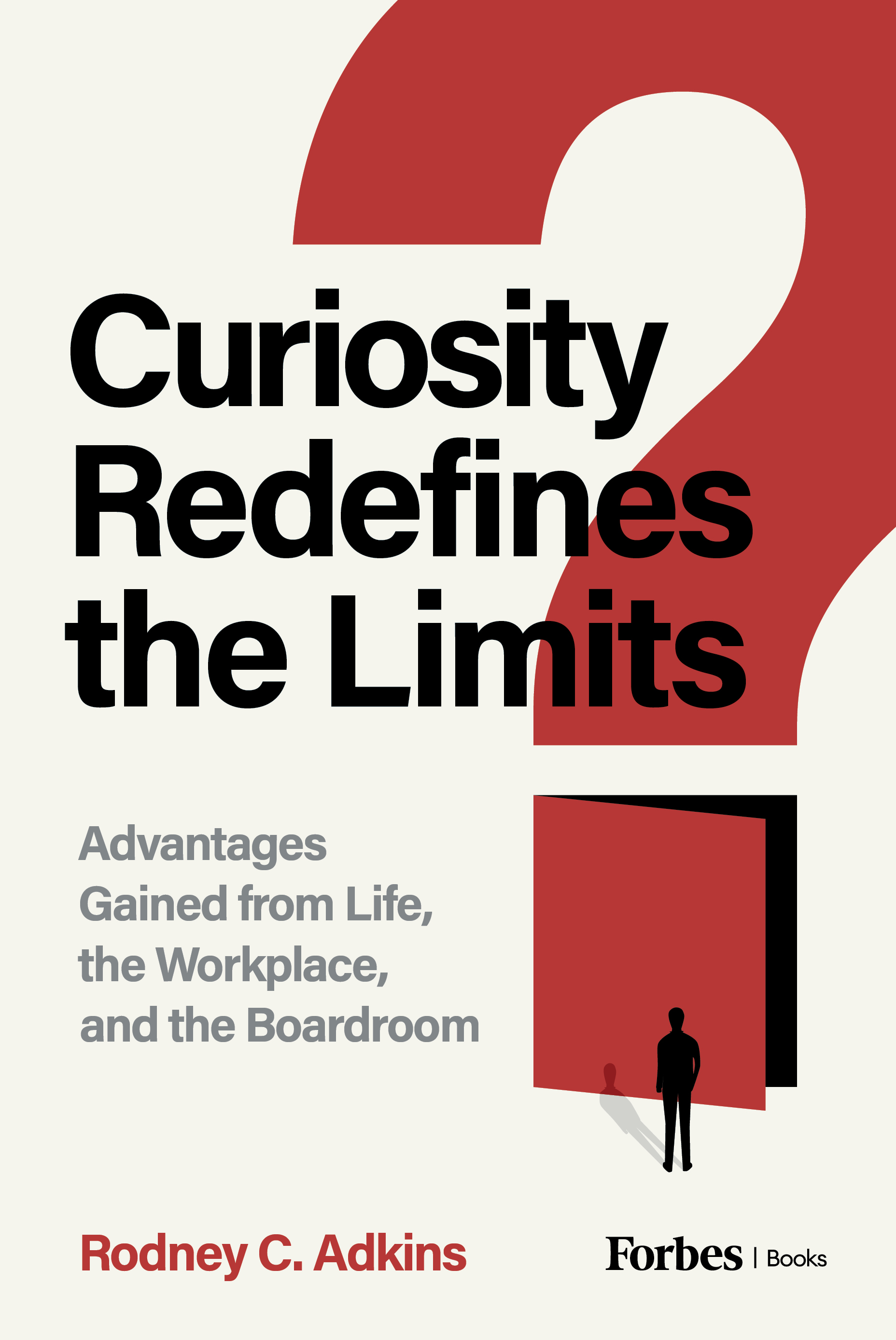






.jpg)
.jpg)








.jpg)


 (2).jpg)


.jpg)








.jpg)





.jpg)




.jpg)






















.jpeg)








.png)





 (1).jpg)



.jpg)








.jpg)