In I Was A Hero Once,
Peter P. Mahoney recounts the events of 1968 that altered his life. Joining
the Army as an infantry lieutenant, he found himself deployed to Vietnam, where
the war’s crude experience shattered his youthful ideals. Upon returning, he
became a prominent voice in the Vietnam Veterans Against the War, thrust into
the spotlight of the Gainesville Eight case, where betrayal cut deep. From
establishing the New York Vietnam Veterans Memorial to falling in love with a
Russian woman, Mahoney’s transformative journey reflects on war, identity, and
redemption. This book is a powerful exploration of the author's life journey, taking
him through the tumultuous landscape of war, societal ideals, and personal
redemption. Mahoney weaves a deeply personal and universally resonant narrative,
offering conversations that reflect the inner conflicts many veterans face.
Mahoney’s experiences as a young man idealistically drawn
to the American Dream sharply contrast with his encounters in Vietnam. From his
moments of naive enthusiasm—dreaming of being a “hero”—to the grim realities of
conflict that shake his faith in the ideals he once cherished, Mahoney's story is
a powerful portrayal of the loss of innocence. The author articulates the
dichotomy between the image of the soldier as a celebrated protector and the
reality of the violence and moral ambiguity inherent in war. This reflective
journey is evinced movingly in the well-crafted passages. The author introduces
readers to unforgettable persons—friends, family, and veterans—deepening
the narrative's impact. The juxtaposition of his ideals during his youth
against the harsh truths of adulthood, punctuated by his experiences with the
Vietnam Veterans Against the War (VVAW), underscores the societal change he struggled
with and his rebellious spirit against mainstream views of heroism and
patriotism. This quest for authenticity resonates as he confronts his past
choices and the narratives around war and courage. I Was A Hero Once is a profound commentary on the
nature of heroism, identity, and the enduring scars of conflict. It invites
readers to reflect on their definitions of heroism, the struggles of returning
veterans, and the price of confronting uncomfortable truths in pursuit of a
richer understanding of life. The letter that concludes this enthralling memoir
is rich in texture and content and contains the wisdom of an elderly person to
young men and women.


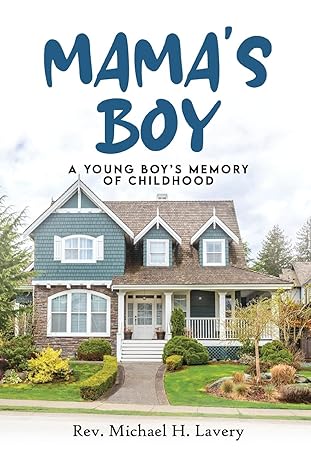
 Mommys_Boy_6x9.jpg)

.jpg)



















.jpg)

.jpg)