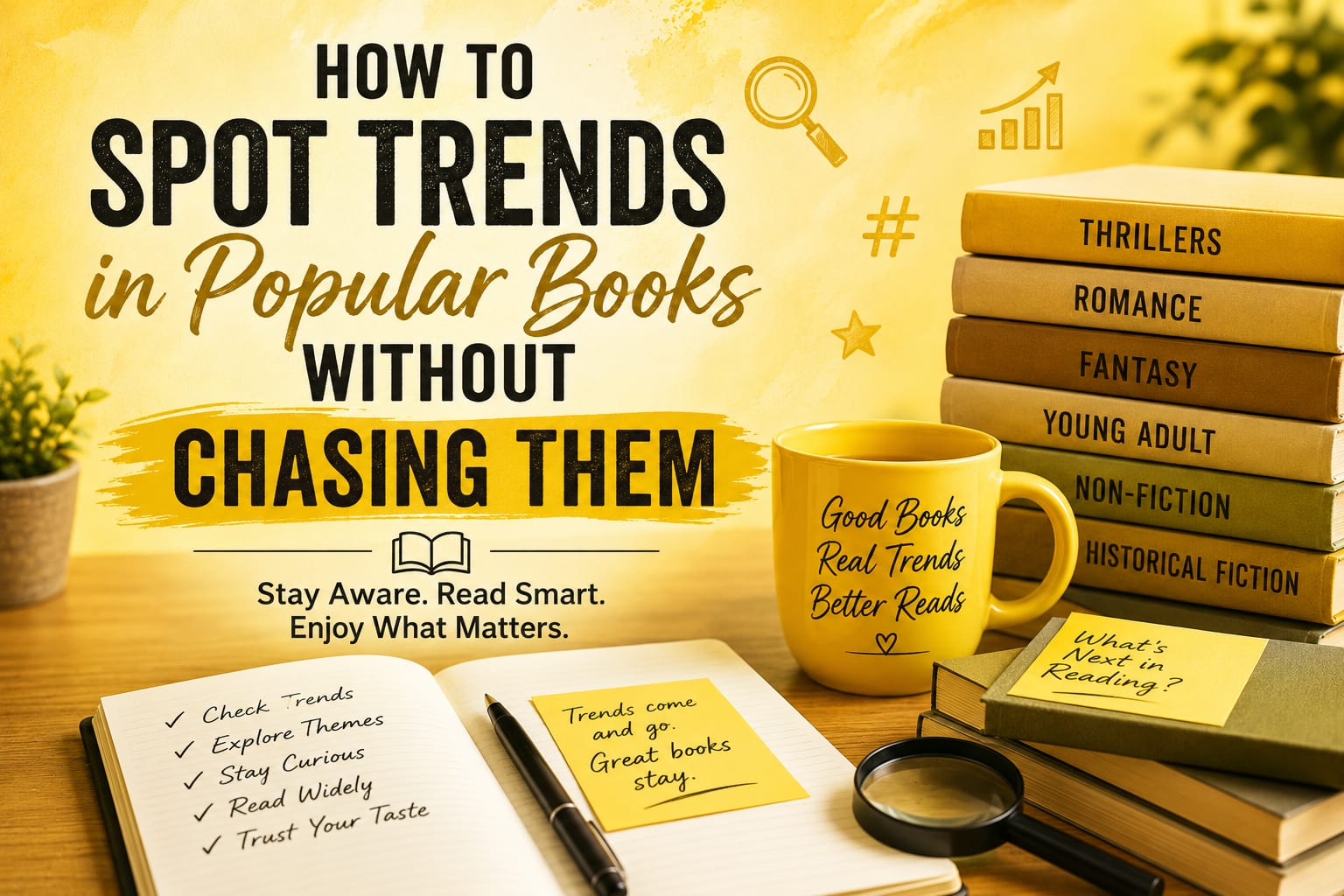
How to Spot Trends in Popular Books Without Chasing Them
For avid readers, being aware of these trends can enhance your reading experience, broaden your horizons, and, let’s be honest, help you sound like a literary genius at your next book club meeting.
In the whirlwind world of literature, the landscape shifts faster than a plot twist in your favorite novel. One moment, it's all about the mystical creatures of fantasy; the next, readers are hooked on psychological thrillers. For avid readers, being aware of these trends can enhance your reading experience, broaden your horizons, and, let’s be honest, help you sound like a literary genius at your next book club meeting. So, how do you spot these trends without running around like a headless chicken chasing every new release? Let’s look at some effective strategies that even the most laid-back bookworm can use.
1. Embrace the Digital World
The internet is a treasure trove of information, especially for spotting literary trends. With social media platforms, blogs, and websites dedicated to book discussions, you can effortlessly keep your finger on the pulse of what's popular. Here’s how:
a. Follow Influencers and Bookstagrammers
Social media platforms like Instagram (Bookstagram), TikTok (BookTok), and Twitter (Book Twitter) are brimming with book lovers sharing their latest reads. Following a few reputable influencers can give you insights into burgeoning trends.
What to do: Look for influencers who match your reading tastes. If you're into thrillers, find someone who focuses on that genre. Pay attention to what they rave about and how their followers engage with those books.
b. Join Online Communities
Websites like Goodreads or even Facebook groups dedicated to reading can offer a wealth of information. Join these communities and join the conversation.
What to do: Participate in reading challenges, vote on potential book choices, and simply observe what titles keep popping up in conversations.
2. Keep an Eye on Bestseller Lists
Bestseller lists can serve as a barometer for what's trending in the literary world. However, don’t just check your local bookstore’s list; explore various sources to gain a broader perspective.
a. Diverse Lists
Look at multiple lists—The New York Times, Amazon, indie bookstore recommendations, and even genre-specific lists. This way, you can find hidden gems that may not be getting the hype they deserve.
What to do: Create a monthly habit of checking these lists and noting which books appear repeatedly. This often signals a growing trend.
b. Local vs. National Trends
Don't underestimate local flavors! Regional preferences can differ significantly from national trends, so exploring your local library or bookstore’s bestsellers may reveal something unique.
What to do: Ask local booksellers about what’s selling well and why. They often have insights into what readers in your area are leaning toward.
3. Discover the Impact of Book Awards
Book awards often showcase innovative voices and emerging trends in literature. Whether it’s the Booker Prize, the National Book Award, or genre-specific accolades, these awards highlight exceptional works and can often provide a glimpse into future trends.
a. Analyze Winners and Nominees
Note the winners, nominees, and even books that garner critical acclaim. What themes, styles, or genres recur? This can often hint at shifting preferences in the literary landscape.
What to do: Keep a list of award-winning books and see if they lead to wider trends or spikes in popularity.
b. Follow Award Season Buzz
As awards are announced, discussions ramp up, creating a perfect opportunity to see which books are getting attention.
What to do: Tune into discussions around these awards on social media platforms and blogs to see what resonates with the audience.
4. Explore Book Clubs and Reading Events
Book clubs can be an incredible resource for spotting trends, as they typically focus on popular titles. Many clubs cater to specific genres or themes, which can help isolate sub-trends within the greater literary landscape.
a. Attend Book Events
Book signings, author talks, and literary festivals can also reveal what’s gaining traction. Authors often discuss what’s current and may even hint at emerging themes in future works.
What to do: Make it a point to attend a few local literary events or virtual book fairs to see what authors and readers are buzzing about.
b. Join or Start a Book Club
If you haven’t already, consider starting or joining a book club. It’s a fantastic way to engage with others about reading trends and what resonates.
What to do: Track which books your group chooses over time. Patterns will naturally emerge, giving insight into your group's preferences and broader trends.
5. Read Across Genres and Formats
Diversifying your reading selections is one of the most effective ways to spot trends. You might find that certain themes or writing styles are particularly popular across genres.
a. Explore Different Genres
If you’re a die-hard romance reader, try branching out into speculative fiction or non-fiction. Doing so may expose you to crossover trends.
What to do: Create a reading list that intentionally includes a mix of genres. Note shared themes or character types across these different types of books.
b. Be Open to Different Formats
Don’t limit yourself to traditional print books. Audiobooks and graphic novels are on the rise, and they often highlight different storytelling methods that may be gaining popularity.
What to do: Sample different formats and pay attention to any trends you notice in the themes or styles of storytelling.
6. Use Analytical Tools
For those who love numbers, many websites and tools track literary trends through analytics and data.
a. Book Metrics
Websites like Bookstagram or Goodreads can give insights into what readers are talking about, rating, and reviewing highly.
What to do: Dive into analytics and rating frequency. If you notice something rising swiftly through the ranks, it may indicate an upward trend.
b. Follow Publishing Industry News
Stay informed by reading publishing industry news. Websites like Publishers Weekly or The Bookseller often report on trends, industry statistics, and upcoming releases.
What to do: Enroll in newsletters dedicated to publishing news so that trends come directly to your inbox.
7. Survey Current Events and Cultural Moments
Literature often reflects societal trends. Political events, cultural movements, or even viral social media phenomena can spark readings on certain topics or themes.
a. Cultural Shifts
Keep an eye on what’s happening in the world. Books addressing issues of social justice, mental health, or environmental concerns often surge during relevant cultural moments.
What to do: Check the news and social media to see what's current, and relate it back to your reading. Identify upcoming books that align with these discussions.
b. Pop Culture Influence
Movies, TV shows, and even podcasts can influence what people are reading. If a movie adaptation is being released, demand for the book often skyrockets.
What to do: Stay updated on upcoming adaptations or pop culture phenomena. The buzz usually translates into spikes in the book's popularity.
8. Reflect on Personal Experiences
Finally, take a step back and evaluate your own reading preferences and experiences. Understanding your connection to literature can help you spot trends more organically.
a. Keep a Reading Journal
Writing down your thoughts about what you read can help identify patterns in your evolving preferences.
What to do: Document what you’ve read, how it made you feel, and of course, what’s trending at the time. This self-awareness can lead to better book choices.
b. Share and Discuss
Discussing your reading with others can help you see what resonates outside of your personal tastes. You may discover trends that you hadn’t noticed before.
What to do: Engage friends, family, or online communities in conversations about your reading experiences and observe what genres or themes they are drawn to.
Conclusion
Spotting trends in popular books without heavy chasing is not only possible but can also be remarkably enjoyable. By using social media, engaging with communities, tracking bestseller lists, and staying open to new genres and formats, you can effortlessly keep up with the literary pulse of our times.
Remember, reading is meant to be enjoyable and enriching. It’s about finding stories that resonate with you, not just following every shiny new release. So, the next time you’re cozied up with a good book, take a moment to reflect on how you discovered it—who knows? You may just stumble upon the next big trend!